Healing Rhythm
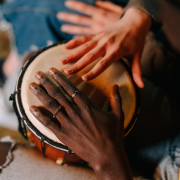
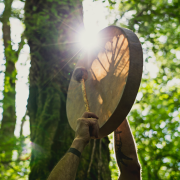
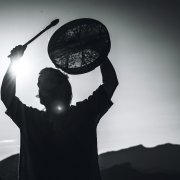
The Ancient Practice of Healing Drumming
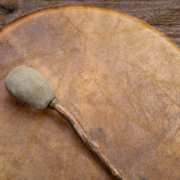
For thousands of years, people have turned to rhythm not only for celebration and storytelling but also for healing. Long before modern medicine understood the effects of rhythm on the nervous system, communities around the world were using drums, chanting, and repetitive beats to support physical, emotional, mental, and spiritual wellbeing.
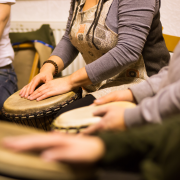
Today, healing drumming has experienced a global resurgence. From community drum circles to sound therapy sessions, more people are discovering what many traditional cultures have known for generations: rhythm has the power to bring people together, regulate the body, and create space for transformation.
While every culture has its own unique practices and beliefs, a common thread runs through them all—the drum is more than an instrument. It is a bridge between the individual, the community, nature, and, for many traditions, the sacred.
The Universal Language of Rhythm
Rhythm is one of the oldest forms of human communication. Even before birth, we become familiar with rhythm through the steady heartbeat of our mother. Throughout life, our bodies continue to function through rhythmic patterns—our heartbeat, breathing, walking, and sleeping all follow natural cycles.
Research in neuroscience has shown that rhythmic sound can influence brainwave activity, reduce stress hormones, encourage relaxation, and promote social connection. While scientific understanding continues to evolve, many traditional healing systems have long recognised rhythm as a way to restore balance and harmony.
Healing drumming is therefore not simply about making music. It is about creating a rhythmic experience that supports emotional expression, presence, connection, and wellbeing.






Recent Comments..